
A Practical Guide to start a Custom T-Shirt Business
Starting a custom T-shirt business can be a good opportunity if you have an interest in clothing, design, or printing.
You don’t need a large shop or expensive machinery to get started. With good-quality T-shirts, creative designs, and a reliable printing partner, you can start small and grow as your orders increase.
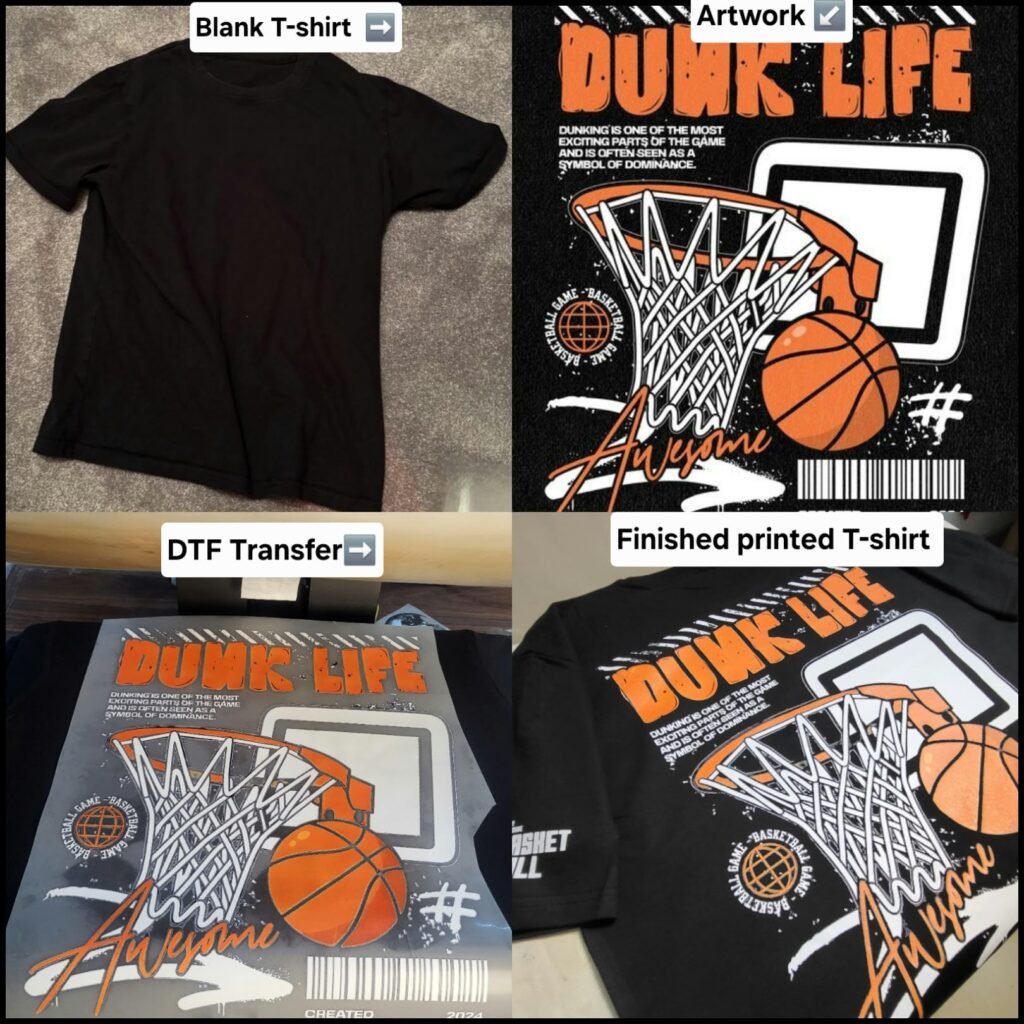
Whether you want to sell your own designs, make personalized T-shirts, or provide bulk T-shirt printing for businesses, this guide will help you understand the basic steps.
- Decide What You Want to Sell
The first step is deciding what type of custom T-shirts you want to offer. You could sell printed T-shirts with your own designs, personalized T-shirts with names or photographs, corporate T-shirts, event T-shirts, college merchandise, sports team T-shirts, or clothing for other brands. You don’t have to choose only one category. However, starting with a specific customer group can make marketing much easier.
- Choose a Niche
Think about who you want to sell to. Some popular niches include street-wear, fitness, gaming, sports, college fashion, corporate merchandise, couples, family T-shirts, and local businesses. Your niche will influence your designs, T-shirt styles, pricing, and marketing. For example, a fitness-focused brand may need completely different designs and products compared with a business selling corporate merchandise.
- Choose Good-Quality T-Shirts
The printing is important, but the T-shirt itself matters just as much. Look for good fabric, consistent sizing, comfortable fitting, proper stitching, and colors that suit your target customers. Before purchasing a large quantity, order a few samples and test them. Wash the T-shirts and check how the fabric and print perform after regular use. A good print on a poor-quality T-shirt can still result in an unhappy customer.
- Select the Right Printing Method
There are several T-shirt printing methods available, including screen printing, sublimation, vinyl printing, DTG, and DTF printing. Your choice should depend on the type and quantity of orders you expect.
Why DTF Printing Is Useful?
DTF, or Direct to Film printing, is particularly useful for custom T-shirts because it can handle detailed designs, multiple colors, logos, photographs, and artwork with fine details. It is also suitable for smaller quantities, which makes it useful when you are starting a new business and don’t want to maintain a large inventory.
You can either invest in your own printing equipment or work with a DTF printing service. Outsourcing the printing allows you to focus on designs, T-shirts, branding, and sales while keeping your initial investment lower.
- Prepare Your Designs
Your designs are one of the most important parts of a custom T-shirt business. You can create artwork yourself using design software or work with a professional designer. Make sure your artwork is high quality and prepared correctly for printing.
For DTF printing, high-resolution artwork with a transparent background is commonly used. Avoid copying designs from other brands or using copyrighted artwork without permission. Creating original designs will also help you build a stronger brand identity.
- Calculate Your Costs
Before deciding your selling price, calculate the complete cost of each T-shirt. Your cost may include:
T-shirt + printing + packaging + shipping + design + payment charges + marketing = total cost
Don’t calculate your profit only from the T-shirt and printing cost. Packaging, delivery, advertising, and payment charges can significantly affect your final margin.
Keeping a simple spreadsheet from the beginning can help you understand which products are actually profitable.
- Start Small
You don’t need to buy everything on day one. Instead of purchasing a large inventory or expensive printing equipment immediately, start with a small selection of T-shirts and designs.
Create some samples, photograph them properly, and start promoting them. Once you understand which designs and products customers prefer, you can gradually increase your inventory and investment.
- Build a Brand
There are many businesses selling printed T-shirts, so presentation matters. Think about your brand name, logo, packaging, product photography, website, social media presence, and customer service. Even if you start from home, your business should look professional.
Good packaging and consistent branding can help customers remember your business and encourage repeat orders.
- Choose Where to Sell
You can sell custom T-shirts through several channels.
Instagram: Use photographs, reels, customer orders, and behind-the-scenes printing videos to showcase your products.
Website: A website gives your brand a professional presence and allows customers to learn about your products and place orders.
Local customers: Don’t overlook businesses, gyms, colleges, schools, events, cafes, and sports teams in your area. These customers may need custom T-shirts in larger quantities. You can also explore online marketplaces depending on your business model.
- Get Your First Customers
Your first customers may come from people you already know. Tell friends, family, local businesses, gyms, clubs, and event organizers about your services. You can also approach businesses directly with a simple offer for custom T-shirt printing or branded merchandise. Once you complete an order successfully, ask happy customers for reviews and, where appropriate, photographs that you can use for marketing.
Customer reviews and real product photographs can help build trust with new buyers.
- Consider Bulk Orders
Bulk T-shirt printing can become an important part of the business. Companies, schools, colleges, restaurants, sports teams, events, and organizations may require dozens or even hundreds of T-shirts.
For bulk orders, consistency is especially important. Customers expect the same design, placement, color, and print quality throughout the order. Working with a reliable printing partner can make this process much easier.
- Avoid Common Mistakes
New T-shirt businesses often make a few avoidable mistakes. Don’t purchase large amounts of inventory before understanding customer demand. Don’t compete only on price, because extremely low pricing can make it difficult to maintain quality and profit.
Also, don’t ignore customer communication. Keep customers informed about order confirmation, production, and delivery. Most importantly, always calculate your actual costs before deciding your selling price.
Final Thoughts
Starting a custom T-shirt business in India doesn’t require you to own a complete printing setup from the beginning. You can start with a small collection, work with a reliable DTF printing service, test your designs, and gradually build your customer base.
Focus on good-quality T-shirts, original designs, reliable printing, proper pricing, and good customer service. As your business grows, you can expand into bulk T-shirt printing, corporate merchandise, hoodies, and other custom apparel.
If you’re starting a clothing brand, launching your first T-shirt collection, or taking custom and bulk orders, Dawson’s Originals can help with professional DTF printing and transfers.
We are based in Dehradun, Uttarakhand and provide DTF printing solutions for clothing brands, businesses, merch stores, and custom T-shirt orders.
Have your artwork ready? Send it to Dawson’s Originals and get your DTF prints ready for production.
Get a DTF Printing Quote from Dawson’s Originals :
Call : 8279852508
WhatsApp Us – 8791401684
Google Profile : Dawson’s Originals
Frequently Asked Questions
- How much money do I need to start a custom T-shirt business in India?
The investment depends on your business model. You can start with a small budget by purchasing blank T-shirts, creating a few designs, and outsourcing printing. You don’t necessarily need to purchase a DTF printer or other expensive equipment at the beginning.
- Is a custom T-shirt business profitable?
A custom T-shirt business can be profitable when you control your costs, price your products correctly, and maintain good quality. Your profit will depend on factors such as T-shirt cost, printing, packaging, marketing, shipping, and your selling price.
- Which printing method is best for custom T-shirts?
There is no single printing method that is best for every order. DTF printing is a flexible option for many custom T-shirts because it can produce detailed, colorful designs and is suitable for both small and larger orders.
- Is DTF printing suitable for a new T-shirt business?
Yes. DTF printing can be useful for new T-shirt businesses because you can order prints as needed instead of investing immediately in your own printing equipment. This allows you to test designs and products before making a larger investment.
- Can I start a T-shirt business from home?
Yes. Many small T-shirt businesses can begin from home. You can manage designs, orders, packaging, and marketing from home while outsourcing printing until your business grows enough to justify investing in your own equipment.
- Where can I sell custom T-shirts?
You can sell custom T-shirts through your own website, Instagram, online marketplaces, and local customers. Businesses, schools, colleges, gyms, events, sports teams, and organizations can also be potential customers for bulk T-shirt orders.
- Where can I get DTF prints for my T-shirt business?
You can work with a DTF printing service that accepts your artwork and supplies ready-to-use DTF transfers or printed sheets. Dawson’s Originals, based in Dehradun, provides DTF printing services for clothing brands, businesses, merch stores, and custom T-shirt requirements.
- Can Dawson’s Originals help with bulk DTF printing?
Yes. Dawson’s Originals provides DTF printing for bulk requirements as well as custom orders. If you are starting a clothing brand or need regular DTF prints for your business, you can contact Dawson’s Originals to discuss your printing requirements.